What is a power cable manhole?
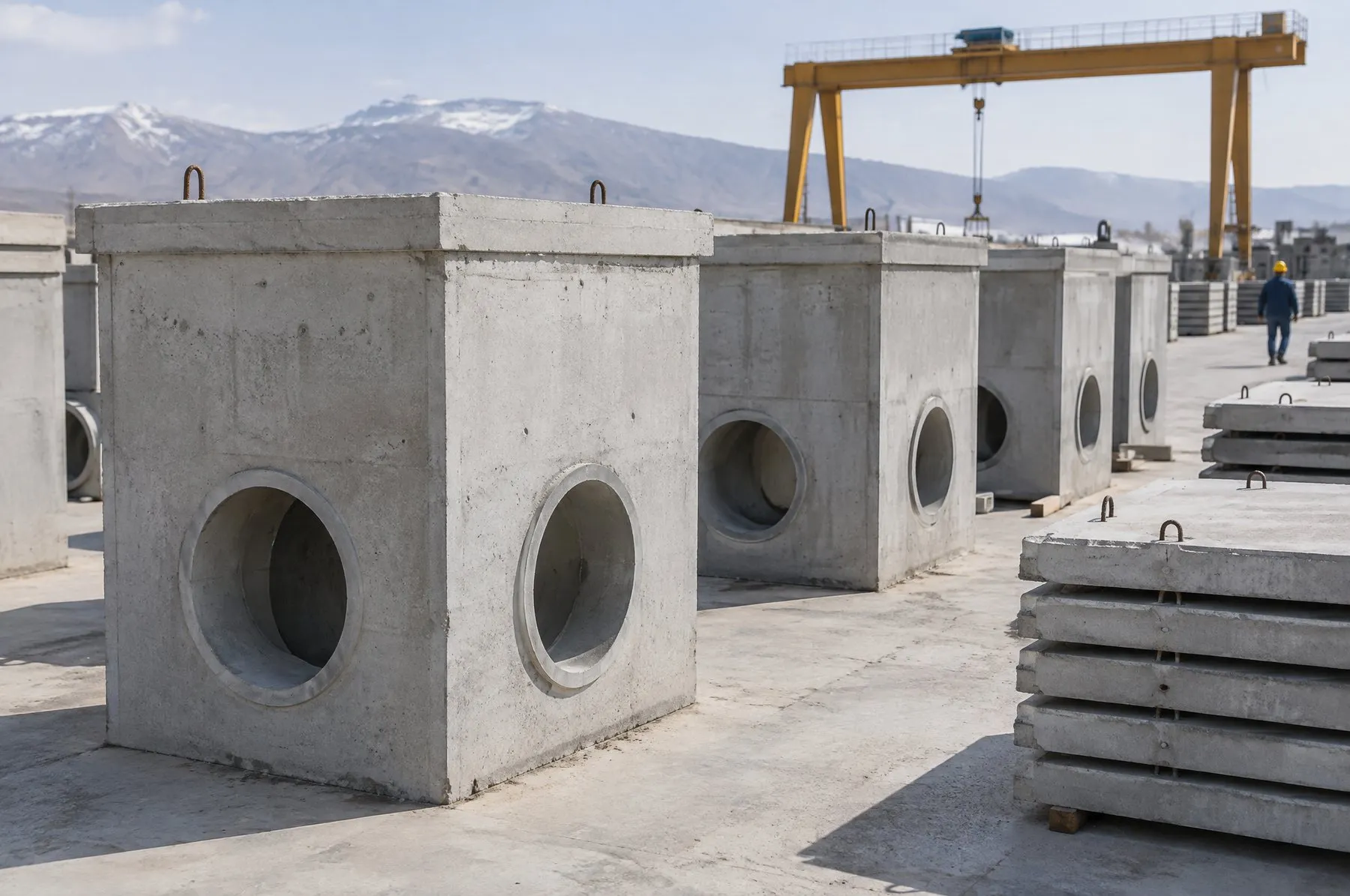
A power cable manhole is a precast concrete chamber placed at intervals along underground power cable routes. It usually consists of a base, walls and a roof slab, with the opening in the roof slab closed by a manhole cover. The walls have entry openings to which the protective ducts carrying the cables are connected.
Its role in the power network
On routes where cables are pulled through protective ducts, manholes divide the cable pulling into sections. Cable joints are made inside the manhole and can be inspected later; where the route changes direction or branches, the manhole allows cables to be turned while keeping to their permitted bending radius. In the event of a fault or for maintenance, crews reach the cables without excavation.
Types and details
Manhole types differ in internal dimensions, the number and position of duct entries and the load they will carry. The cable manhole types used on a distribution network are selected according to the technical requirements of the relevant distribution company. A manhole can be produced in one piece or modularly as base, walls and roof slab. The cover is chosen in a class suited to the load at its location, such as a footway or carriageway; TS EN 124 is the reference standard for manhole covers. Details such as access steps, lifting anchors and a sump are added to suit the project.
Production
Manholes are cast in the plant in moulds fitted with reinforcement, compacted and cured under controlled conditions. Duct entry openings, steps and lifting anchors are placed during casting. In modular manholes, the joint faces between sections are produced to tight dimensions for watertightness.
Delivery and installation
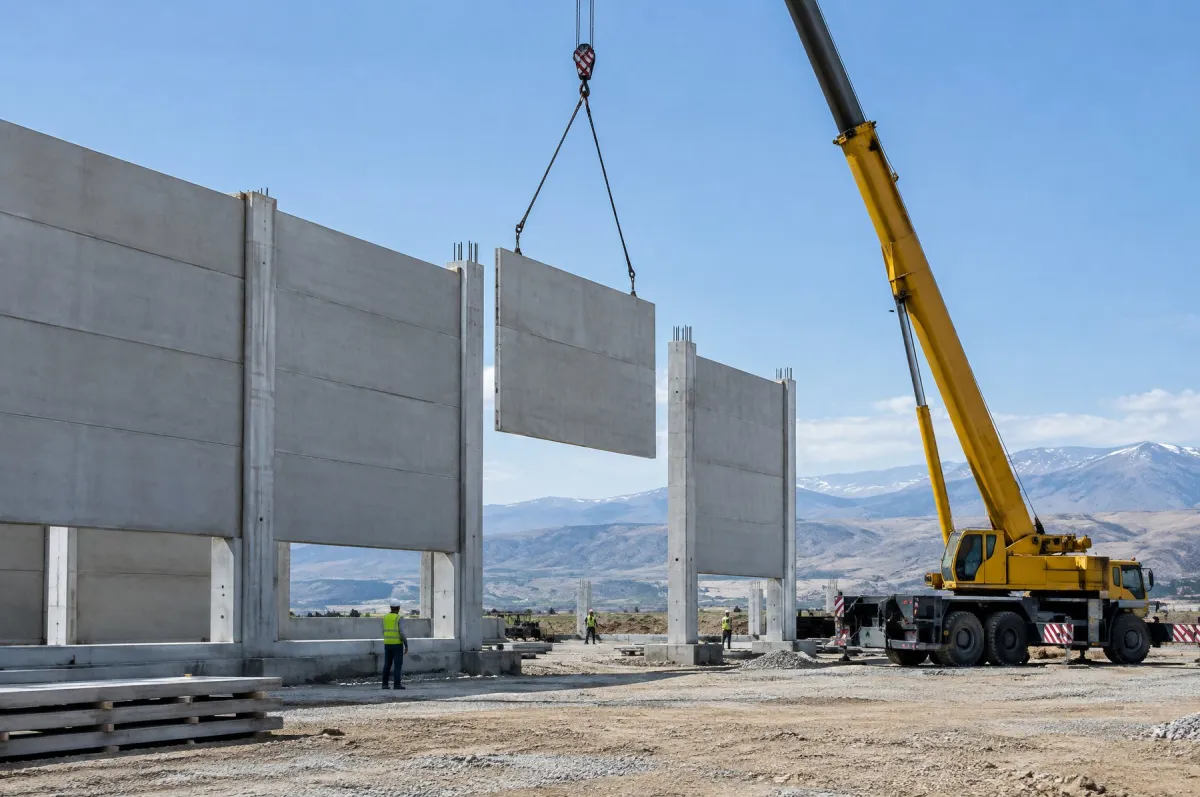
The manhole is lowered by crane into the excavation onto a compacted, levelled bed. Protective ducts are connected to the entry openings and the joints sealed. Once the surrounding backfill has been placed and compacted in a controlled way, the cover is set to the road or footway level. Compared with a chamber cast in place, the excavation stays open for less time, which means less disruption to traffic and pedestrians, especially in towns.
Why a precast manhole?
Manholes produced in the plant are consistent in dimensions and concrete quality, and there is no formwork or curing time on site.